Cancer has become one of the biggest health problems in India. The world experiences an ongoing increase of 1.5 million new cancer cases every year. Cancer exists as a global health crisis which affects more than one million people worldwide. The Indian health crisis has become an escalating issue which spreads rapidly across the nation. Specialists in cancer predict that India will have 17 million cancer patients by 2030. The public now knows more about cancer risk factors and disease information because cancer cases have become more common. People who understand their health conditions can get medical help at early stages before their diseases worsen significantly. The success of cancer treatment depends heavily on early diagnosis which allows patients to achieve better recovery results. People need to understand the disease while following basic health measures and getting regular medical check-ups.
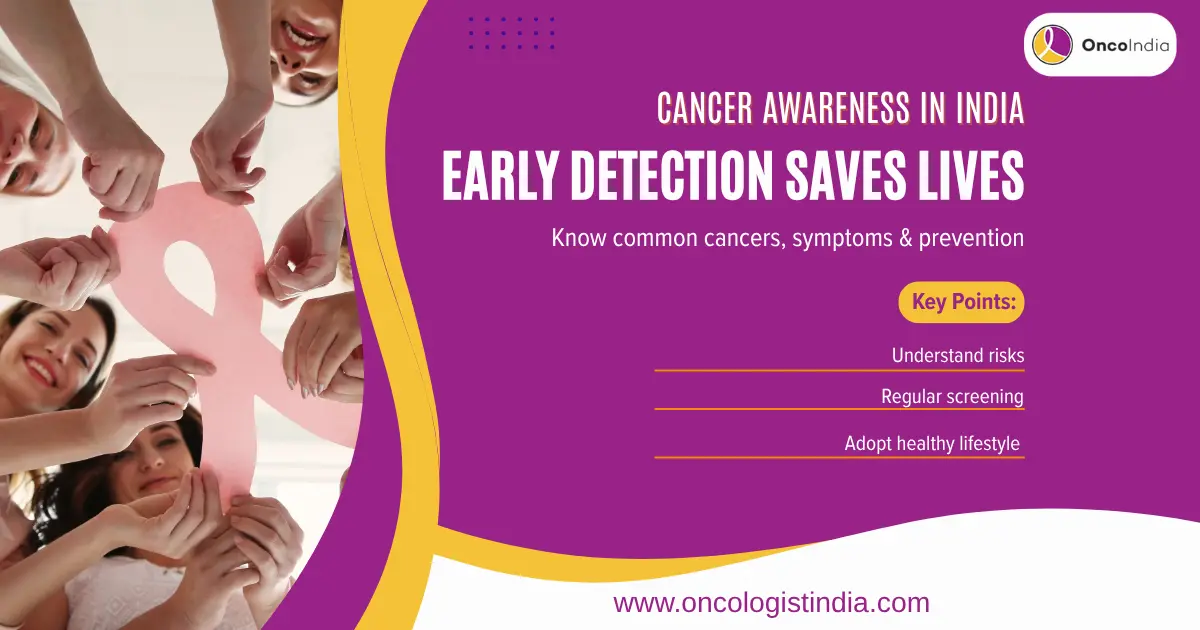
The most frequent types of cancer which occur in India include:
Lung Cancer - The disease primarily affects men who smoke cigarettes.
Breast Cancer - most common among women.
Oral Cancer - The practice of smoking tobacco together with betel nut chewing leads to high rates of oral cancer.
Cervical Cancer - one of the leading causes of cancer deaths in women.
Colon and Rectum Cancer - The number of cases of Colon and Rectum Cancer continues to rise between males and females.
There is a clear difference between urban and rural areas.
The lack of proper medical facilities and delayed diagnosis creates health problems for villagers.
The primary cancer triggers in India stem from tobacco consumption, alcohol drinking, unhealthy eating habits, physical inactivity and environmental pollution.
The risk of developing disease depends on genetic inheritance as well as exposure to infectious agents.
Healthcare burden - Cancer has emerged as a leading public health crisis which affects the entire nation of India. The number of patients continues to grow each year which creates excessive strain on medical facilities and healthcare professionals. Many hospitals experience heavy patient traffic which leads to extended waiting periods for people who require medical assistance.
Economic Impact - The medical expenses reach such high amounts that numerous families spend their entire financial resources while trying to maintain their treatment. People who take out loans experience additional financial burdens which lead to greater levels of anxiety.
Emotional and social impact - Cancer generates physical symptoms which spread to the mental and emotional health of affected individuals. Patients together with their families experience a combination of fear, sorrow and physical suffering. People hide their health conditions from others because social norms create shame around particular illnesses in certain social environments. People with disabilities encounter major challenges when they try to find appropriate support systems.
Healthcare disparities - Rural residents face a shortage from obtaining cancer treatment services at their local medical facilities. People make long journeys to find medical care. Some states have good hospitals but others still lack them. India needs more affordable and accessible cancer care for all.
Significance of Preventive Care:
People who learn about cancer prevention methods can stop numerous cancer cases from happening. The Indian population experiences high rates of oral cancer together with lung cancer and cervical cancer. People can lower their cancer risk through screening and by adopting healthy behaviors
The body receives its required nutrients through the consumption of fruits and vegetables which results in better health. The practice of not smoking together with avoiding tobacco chewing serves as a vital defense against developing oral and lung cancer.
Vaccines:
Cervical cancer in women can be prevented with the HPV vaccine. The vaccine safety has been proven through research which doctors recommend patients to receive at their specific age.
Screening tests such as mammograms, Pap smears, and colon testing allow for early detection of cancer and likely more favorable outcomes after a cancer diagnosis. Early detection of cancer can afford better cure times.
The government has programs such as the National Cancer Control Program, and other programs that develop health standards, spread awareness, promote early detection, and treatment of cancer. If you work together, we can prevent many cases of cancer and have a happier, healthy India.
How Early Detection Saves Lives:
The chances of recovery improve when cancer gets detected during its early stages. The initial detection of cancer enables doctors to begin treatment which produces better results and requires less complicated therapies. Early detection saves many lives, especially in breast, cervical, and oral cancer.
Challenges of Early Detection:
Numerous individuals do not have an idea about the symptoms of cancer. Individuals are inhibited from medical testing due to financial hardship. In various regions of the healthcare industry, adequate screening centers and trained health professionals are lacking, which makes delay in the treatment of the disease.
Screening Initiative:
Screening services initiate the identification of cancer before it advances. The medical care system uses routine medical tests, such as for breast cancer (screening mammograms) and cervical cancer (Pap smear), as an important diagnostic tool.
Advanced Diagnostic Technologies in India:
The medical industry in India operates with modern diagnostic tools which include PET scans and MRI machines and biopsy testing equipment. These help doctors find cancer early and give accurate results. Medical progress and better public knowledge about health care enables patients to receive treatment at the right time which produces better recovery results.
Multiple treatment approaches exist for cancer therapy;
Chemotherapy - Chemotherapy operates by using medications to destroy cancerous cells.
Radiation therapy - Radiation therapy functions through the delivery of strong rays.
Immunotherapy - The immune system gains strength from immunotherapy to combat cancer.
Targeted therapy - The treatment specifically targets cancer cells with its targeted therapy approach.
Surgical Treatments - Surgical procedures remove tumors while modern techniques enable patients to recover quickly.
India as a Global Destination for Cancer Treatment:
India has developed into a leading cancer treatment destination. The treatment quality together with reasonable costs attracts patients from various international locations. Indian hospitals maintain proficient medical staff along with up-to-date technological equipment.
The Rise of Personalized Treatment:
Medical professionals base their treatment plans on genetic information for each person. The system enables doctors to develop individualized treatment plans which results in better patient recovery.
Challenges to Treatment Access:
Multiple barriers exist which stop people from getting medical treatment. Medical facilities in rural areas have limited access to care because they charge high treatment expenses. Medical care requires patients to travel long distances between healthcare facilities and their homes.
Innovative Cancer Treatment Centers:
Tata Memorial along with AIIMS and Apollo hospitals provide exceptional cancer treatment services. The center delivers hope to cancer patients while demonstrating India's progress in cancer care.
Importance of Cancer Research:
Medical professionals use research to find improved treatment options and gain deeper knowledge about cancer. The research produces new medications together with advanced treatment methods which save human lives.
Ongoing Clinical Trials in India:
Multiple cancer research programs are currently available in India. Research scientists dedicate their work to studying immunotherapy, targeted therapy and genetic research. The trials conduct evaluations of new medical treatments to establish better healthcare options for patients.
Top Research Centers in India:
The leading hospitals Tata Memorial Centre, AIIMS and National Institute of Cancer Research drive these initiatives. Their work gives patients more hope and better treatment choices.
Psychological Support for Cancer Patients:
Fighting cancer is not just about medications. Medical care needs to include support for the emotional and mental health of all patients. The counseling services help patients handle their treatment-related stress, fear and sadness.
Support Groups:
Support groups bring patients and their family members into a shared community. The members exchange their personal stories while they provide emotional backing and optimistic encouragement to each other. People who want to become less isolated should consider using this service.
Financial Support Systems:
The PMJAY (Pradhan Mantri Jan Arogya Yojana) program together with State Government Cancer Aid Schemes make cancer treatment affordable for families who live in poverty. These supports make cancer care easier and give patients strength to continue their fight.
Education and Awareness:
The people of India need to understand cancer better. People need to understand the warning signs of cancer and they should get regular medical check-ups. The detection of cancer at its early stages leads to saving numerous human lives.
Stronger Healthcare Infrastructure:
The establishment of additional medical facilities together with cancer treatment centers becomes necessary for rural communities which include small towns and villages. Treatment must be affordable and easily available for everyone.
Collaborations and Partnerships:
Public and private sectors should work together to improve cancer care and research. The healthcare system of India requires additional oncologists and nurses who possess proper training. The fight against cancer in India needs teamwork and positive action to create a better future.
Cancer exists as a major health issue which becomes manageable through early diagnosis, preventive actions and suitable medical care. Regular screening combined with symptom awareness leads to the prevention of numerous deaths.
The world needs each person to fulfill their individual duties. We need to back up awareness initiatives while motivating people to get their tests done at the start. The improvement of cancer care accessibility requires a joint effort between governments, hospitals and local communities. People need to unite for this cause because the right help must reach those who require it most. We will defeat the rising cancer epidemic which currently affects India.